Google Play Target API Level 2026: The Android 16 Deadline Explained
PGP Studio Team · July 11, 2026 · 6 min read
Miss the target SDK deadline and your app doesn't just fail a compliance check, it becomes invisible to new users. Here's the real timeline.
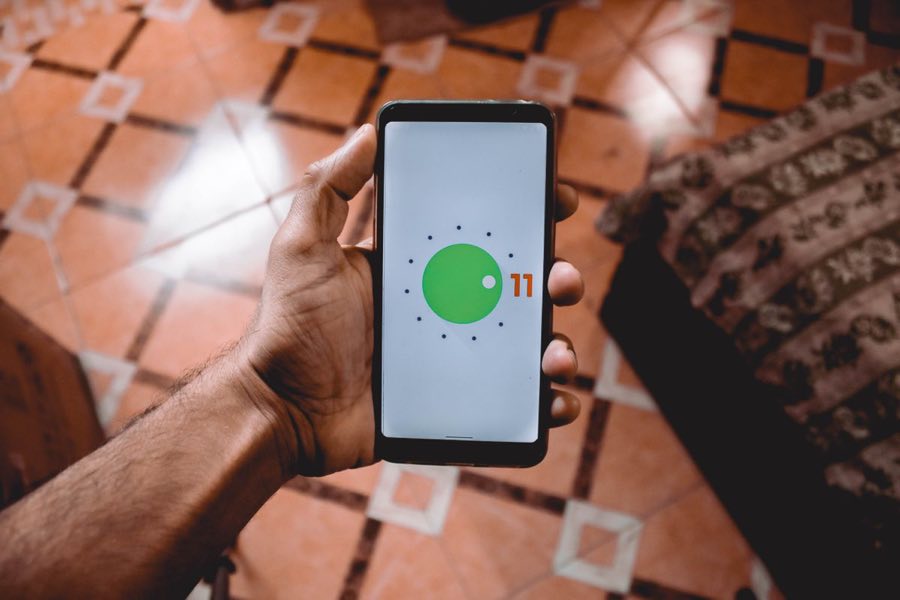
New apps and app updates must target Android 16, API level 36, starting August 31, 2026 to be submitted to Google Play at all. Existing published apps need to target at least Android 15, API level 35, to stay visible and installable for new users on devices running a newer OS than the app's own target. That second requirement, the one affecting already-published apps rather than only new submissions, is the detail that gets underweighted in most coverage of this deadline, and it is the one most likely to catch an established developer off guard if they are only tracking the new-submission deadline and assuming their existing, already-live catalog is unaffected.
Requesting an Extension Is a Delay, Not an Exemption
Developers who need more runway can request an extension to November 1, 2026 directly inside Play Console, but it is worth being precise about what that extension actually buys: a delay of roughly two months, not an exemption from the requirement itself. Treating an extension request as a reason to deprioritize the actual engineering work of updating a target SDK version is a mistake we have seen other developers make, using the extension as a reason to relax rather than as additional runway to actually complete the work with less time pressure. The extension is useful exactly to the extent it is used for genuine additional engineering time, not as a reason to postpone starting the work at all.
The Discoverability Problem That Gets Missed
The part that gets missed most often in coverage of this deadline: apps still targeting Android 14, API 34, or lower do not just risk a compliance flag in Play Console, a relatively low-stakes administrative warning that a developer might reasonably deprioritize against other engineering work. They become invisible to users on devices running a newer Android version than the app's own target. That is a direct discoverability problem, not merely a policy checkbox, and it is the specific consequence that makes this deadline genuinely urgent rather than a routine compliance formality that can be handled whenever convenient.
Invisibility to users on newer OS versions is a fundamentally different category of consequence than a compliance warning, because it directly and silently reduces a live app's addressable audience without necessarily triggering any obvious, attention-grabbing alert to the developer that something has gone wrong. A developer checking only for compliance warnings in Play Console, and not specifically checking install and impression trends segmented by device OS version, could miss this exact failure mode entirely: installs on newer-OS devices quietly declining toward zero while the app continues appearing to function normally for the existing installed base on older devices, with no dramatic, easily-noticed event marking when the problem actually started.
Why This Is an ASO Problem, Not Just a Technical One
Treat this as an ASO issue, not only a technical one, is the framing we think matters most for any studio evaluating how urgently to prioritize this specific deadline against other competing engineering priorities. A discoverability problem of this kind sits at the exact intersection of technical infrastructure and organic growth that ASO work is fundamentally about, and it deserves the same prioritization discipline as any other ASO-impacting technical issue, a broken screenshot, a stale metadata field, a keyword targeting problem, rather than being filed away as a lower-priority backend compliance task that can wait for a convenient engineering sprint.
The Pre-Deadline Checklist Worth Running Now
A pre-deadline checklist worth running now, well ahead of the August 31 submission deadline or even the extended November 1 date: confirm your current targetSdkVersion in every live app across your entire catalog, not just your flagship title, since a smaller or older title in an active catalog is exactly the kind of asset that gets deprioritized and forgotten during a busy engineering cycle. Test on an actual Android 16 device or a genuinely representative emulator configuration, not just a quick static code check of the manifest's target SDK value, since a target SDK bump can surface real runtime behavior changes that only show up under actual testing on the target OS version, not from reading the manifest alone.
And update well before the deadline rather than at it, since undiscoverable is a considerably worse outcome for a live title's ongoing revenue and player base than a failed build caught early in a testing cycle with time to fix it calmly. A failed build during testing is an inconvenience with a clear, immediate fix path. A live app quietly losing visibility to an entire cohort of newer-device users because a deadline was missed is a silent, compounding revenue and audience loss that is considerably harder to notice and recover from after the fact.
How We're Running This Across Our Own Catalog
Across our own eight active titles, we are running exactly this checklist as a standing catalog-wide audit rather than handling it title by title as each one happens to come up in an unrelated update cycle. Confirming target SDK status across the full catalog in a single pass, rather than relying on remembering to check each title individually whenever its own next scheduled update happens to fall, is the only way we are confident nothing in our catalog will quietly slip past the deadline unnoticed, given how easy it is for a smaller, less frequently updated title in an active catalog to fall through exactly this kind of gap.
Why We Expect This Pattern to Repeat
This specific deadline structure, a target SDK requirement that silently affects discoverability for existing apps rather than only gating new submissions, is not a one-time policy quirk specific to the Android 16 transition. Google has used broadly this same mechanism, a target SDK floor that determines visibility to newer-OS users, across several previous Android version transitions, and we expect the same pattern to recur with Android 17 and beyond on a broadly similar annual or near-annual cadence. Building a standing, catalog-wide target SDK audit into our regular release process now, rather than treating this specific Android 16 deadline as an isolated event, means we are set up to handle the next iteration of this same pattern with considerably less urgency and last-minute scrambling than a studio encountering this mechanism for the first time with this particular Android 16 transition.
Building This Into a Recurring Calendar Reminder
Beyond the one-time catalog audit described above, we have added a recurring calendar reminder tied to Google's historical target SDK announcement pattern, roughly aligned with each year's major Android version announcement cycle, specifically to check our full catalog's target SDK status well before any new deadline is formally announced rather than waiting for the announcement itself to trigger the check. That proactive cadence means we typically already know our compliance status before a new deadline is even publicized, turning what could be a reactive scramble into a routine, low-stress confirmation that nothing has drifted out of compliance since the last check.
A Note for Studios With Delisted or Low-Priority Titles
One specific gap worth flagging for any studio with an older, lower-priority, or partially-delisted title still technically live in their catalog: exactly this kind of title is the most likely to be forgotten during a target SDK audit, since it receives the least ongoing attention of anything in an active catalog. We explicitly include every technically-live title in our own catalog-wide audit, regardless of how minor or low-priority it currently is, specifically because an old, forgotten title quietly losing visibility due to a missed target SDK deadline is a bad outcome even for a title generating modest revenue, since the fix, once caught, is usually a straightforward update, not a reason to have let the problem develop in the first place.
Coordinating This Across a Multi-Person Team
For a team larger than a single founder, assigning explicit, named ownership of the target SDK audit, rather than assuming it is generally everyone's shared responsibility, has been the specific process change that turned this from a recurring near-miss into a reliably handled routine task. Shared ownership without a specific named owner is a common failure pattern for exactly this kind of periodic, easy-to-deprioritize compliance task, since it is precisely the kind of item that everyone assumes someone else is tracking until a deadline arrives with nobody having actually confirmed it was handled.
What Happens Technically When a Target SDK Bump Surfaces an Issue
When our own catalog audit surfaces a title that needs a target SDK bump, the actual engineering work typically falls into a predictable pattern worth naming so other studios can budget for it accurately: permission model changes that require updated runtime permission request flows, deprecated API replacements that Unity's own engine updates have usually already addressed by the time a target SDK bump becomes necessary, and background execution restriction changes that can affect any feature relying on background processing, like a scheduled local notification or a background download. None of these categories is typically difficult in isolation, but budgeting realistic engineering time for this category of work, rather than assuming a target SDK bump is a trivial manifest-file edit, avoids the common mistake of underestimating how long full compliance actually takes once real testing surfaces the specific changes a given title needs.
Why We Don't Wait for the Extension Deadline Even Though It's Available
Despite the November 1 extension being available, we do not build our own internal planning around using it by default, treating the original August 31 date as our real internal deadline with the extension held in reserve only for a genuine, unexpected complication discovered late in testing. Planning against the earlier date by default, rather than the later extended one, builds in exactly the kind of schedule buffer that turns an unexpected complication into a manageable delay rather than a genuine last-minute crisis against a deadline with no further room to extend. Every studio we have spoken with that got caught off guard by a similar deadline in a previous Android cycle described the same root cause: treating it as a distant future problem right up until it became an urgent one, which is exactly the failure pattern our standing calendar reminder and named-ownership process are both designed specifically to prevent. Whatever specific deadline Android 17 eventually brings, the process we have built here, standing calendar reminders, named ownership, a full-catalog audit rather than a title-by-title check, is designed to handle it with the same low-drama routine confirmation this year's Android 16 transition has received, rather than requiring us to rebuild this discipline from scratch each time a new version arrives. Getting this specific discipline right once, on this specific deadline, has been worth more to us than any individual feature we shipped this year, simply because the downside of getting it wrong is silent, compounding, and considerably harder to reverse after the fact than almost any other mistake we could make in a single release cycle.
A deadline like this is only part of the discoverability picture; our ASO Checklist 2026 rounds out the rest of it. Compliance sweeps like this one run across our own catalog as standard, ongoing support behind every title we ship.
Want a second opinion on your own Play Store listing?
This is the same kind of outside review we run on our own titles before every launch.
Start a Conversation