AI 3D Asset Generation in 2026: Meshy, Scenario, and the New Art Pipeline
PGP Studio Team · July 8, 2026 · 8 min read
Text-to-3D tools now generate production-ready props in under a minute. Where AI-generated assets are ready to ship, and where they're not.
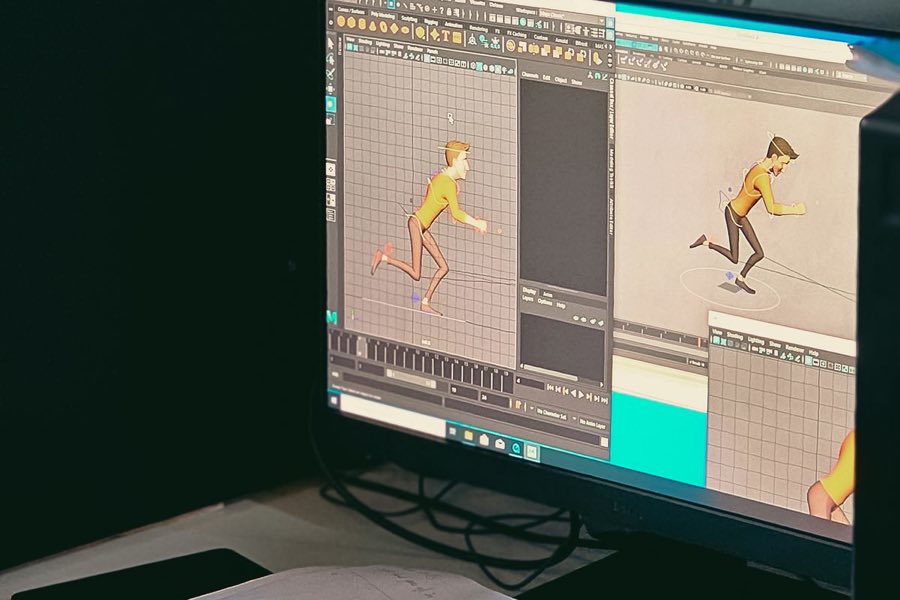
Meshy AI has passed 10 million users globally and generates fully textured 3D models from a text or image prompt in under a minute, with a pipeline that now covers generation, AI texturing, rigging, animation, retopology, and export, not just raw mesh output the way earlier generations of this technology typically did. That expansion from raw mesh generation to a full asset pipeline is the more significant development here than the raw generation speed itself, because a raw untextured, unrigged mesh has historically required a meaningful amount of manual follow-up work before it was actually usable in a real production pipeline, and closing that gap is what turns a novelty generation demo into genuinely production-relevant tooling.
What Full-Pipeline Coverage Actually Changes
Rigging and animation support specifically, folded directly into the same generation pipeline as the initial mesh and texture output, removes what has historically been the single most labor-intensive step standing between a generated asset and a genuinely usable one. A textured but unrigged static prop is straightforward to use for background dressing, but any asset that needs to move, a character, a creature, an animated environmental element, has traditionally required a skilled rigger's manual work regardless of how good the underlying generated mesh was. Folding rigging and basic animation directly into the automated pipeline meaningfully expands the category of asset this technology can produce end to end without manual specialist intervention, moving well beyond static background props into a category of asset that a small team without a dedicated rigging specialist can now realistically use.
Scenario as a Free-Tier Alternative Worth Trying
Scenario is a genuinely usable free-tier alternative for consistent 2D and 3D asset generation, and it is worth naming specifically because a meaningful share of coverage in this space focuses exclusively on the highest-profile paid platforms without acknowledging that a genuinely capable free tier exists for teams testing whether this category of tool fits their workflow before committing budget to a paid subscription. Across most 2026 tool comparisons, typical generation time lands around 30 to 60 seconds per model regardless of which specific platform a team picks, which suggests generation speed itself has become table stakes across this category rather than a meaningful differentiator between competing platforms, with output quality, pipeline completeness, and licensing terms being the factors that actually differentiate one platform from another at this point.The Number That Actually Matters for Production Planning
The number that actually matters for planning a production schedule around this technology: generating roughly 50 props for a level is estimated at about 2 hours with AI-assisted tools versus roughly 2 weeks manually, a real, order-of-magnitude shift specifically for background and environment art. That is not a modest efficiency gain measured in percentage terms the way most production tooling improvements get reported; it is a fundamentally different order of magnitude, and a shift of that scale changes what is actually feasible for a small team to attempt within a given production timeline, not just how quickly an existing plan gets executed.
For a studio our size, that order-of-magnitude shift specifically affects environment and background art scope decisions in a way that is worth being explicit about internally. A level design that would previously have been scoped down to a smaller prop count purely because hand-modeling fifty unique background props was not realistically achievable within a project's timeline and budget becomes a genuinely different scoping conversation once that same fifty-prop set is achievable in a couple of hours rather than a couple of weeks. We have started factoring that expanded feasibility directly into early scoping conversations for any project with meaningful environment art scope, rather than continuing to default to the more conservative prop budgets that made sense under the old, manual-modeling-only cost structure.
Where the Honest Caveat Actually Bites
The honest caveat, and the one most worth taking seriously before restructuring a production pipeline around this technology, is that AI-generated props are production-ready for background dressing and rapid prototyping considerably faster than anything else currently available, but hero assets and anything under close camera scrutiny still need manual cleanup before shipping. The distinction between background dressing and hero assets is not a minor nuance; it is the single most important qualifier on every one of the efficiency claims discussed above. A prop that sits at the edge of the player's view for a fraction of a second is held to a completely different visual quality bar than a character or object the camera lingers on or that the player interacts with directly, and generated assets that pass the first bar comfortably frequently do not pass the second without meaningful manual refinement.
Our own internal rule, adopted specifically to avoid the failure mode of shipping an under-refined generated asset in a position of visual prominence it was never actually suited for, is simple: any generated asset that will appear within a certain proximity to the primary camera or gameplay focus, or that a player will directly interact with repeatedly, gets routed through a manual review and refinement pass regardless of how good the raw generated output looks in isolation. Anything purely in the background dressing category can ship with lighter review. That single rule has prevented more than one instance of an impressive-looking generated asset revealing its generation artifacts once a player actually got a close, sustained look at it during real gameplay rather than a quick generation-tool preview.
Licensing Terms Deserve Real Reading, Not Assumption
Licensing terms vary enough between these tools that it is genuinely worth reading before committing a shipped product's art pipeline to any one of them, and this is not boilerplate legal caution, it reflects real, meaningful variation across platforms in this specific category. Some platforms grant full commercial usage rights on generated output by default, some require a specific paid tier to unlock commercial usage at all, and some carry terms around training data provenance that are still actively evolving as the broader legal landscape around generative AI training data continues to develop. A studio that generates a hero asset under one platform's terms, ships it, and only later discovers a licensing restriction that applies to that specific output has created a real, potentially costly problem for itself that a few minutes of reading the platform's actual terms of service before committing would have avoided entirely.
How This Changes Our Own Art Pipeline Going Forward
For our own upcoming titles, we are treating AI-assisted 3D generation as the default first pass for environment and background art specifically, reserving manual, from-scratch asset creation for hero props, key characters, and anything that will receive sustained close-camera attention during actual gameplay. That split, generated-first for background scope, manual-first for anything under close scrutiny, is not a permanent, unchangeable line; as the underlying generation quality continues improving at the pace it has shown over the past year alone, we expect that line to shift over time toward AI-assisted generation covering an increasing share of what currently still requires manual work. But drawing that line honestly today, rather than overclaiming what the current generation of tools can already handle unassisted, is what keeps this genuinely useful production shift from becoming a quality liability in a shipped product.
Training an Art Team to Work Alongside Generation Tools
Adopting this technology well requires more than just licensing a platform; it requires retraining how an art team's own time gets allocated day to day. An artist whose job previously included modeling every background prop by hand now spends more of their time reviewing, curating, and selectively refining generated output, a genuinely different skill emphasis than pure from-scratch modeling. We have found this transition goes more smoothly when framed explicitly to an art team as an expansion of what they can accomplish, more scope covered in the same time, rather than as a replacement threat, since the latter framing understandably breeds resistance to adopting a tool that, used well, actually expands an artist's creative reach rather than diminishing their role.
Where We See This Technology Heading Next
The trajectory from raw mesh generation to a full pipeline covering texturing, rigging, and animation in a single tool suggests the next meaningful frontier is generation quality specifically for the hero-asset category we currently still route to manual review. We are watching closely for the first generation platform that can reliably clear that higher bar without manual cleanup, since crossing that threshold would meaningfully shift where we draw our own internal generated-versus-manual line, and we expect that shift to happen incrementally over the next year or two rather than as a single dramatic capability jump.
A Concrete Before-and-After From Our Own Production
On a recent environment-heavy prototype, our pre-generation-tooling estimate for background prop variety was roughly fifteen unique pieces, a number set specifically because that was what our art timeline could support manually within the prototype's budget. Using generation tooling for the same task, we shipped closer to forty unique background variations in a comparable timeframe, meaningfully improving the environment's visual variety without extending the schedule. That concrete before-and-after comparison, not just the industry-wide statistics cited earlier, is what actually convinced our own art team the investment in learning these tools was worthwhile.
Quality Control as a Formal Review Step, Not an Afterthought
Given how easy it is for a generated asset to look impressive in an isolated preview while still carrying subtle artifacts that only become obvious once placed in actual gameplay context, lighting inconsistencies, texture seams, proportions that read fine in isolation but oddly in context, we have formalized a specific review step for every generated asset before it enters a build: placing it directly into a representative in-game lighting and camera setup, not evaluating it in the generation tool's own preview window, which we have found consistently flatters output relative to how it actually reads once placed in a real scene. That single formalized step has caught more subtle quality issues than any amount of scrutiny applied within the generation tool's own preview interface alone.
Cost Comparison Against Freelance and Outsourced Art
For studios weighing this technology against outsourcing background art to a freelance artist or an outsourcing studio rather than against fully in-house manual production, the comparison shifts somewhat but the core conclusion holds directionally: AI-assisted generation remains meaningfully faster and, for background-tier assets specifically, meaningfully cheaper than commissioning equivalent freelance work, while freelance and outsourced human artists remain the stronger choice for hero assets and anything requiring genuine artistic direction and iteration with a client, exactly the same category we already route to manual review internally. We track generation quality improvements specifically at the hero-asset tier as our leading indicator for when this technology is ready to expand beyond background dressing, and we test that boundary directly against our own upcoming titles every time a major platform ships a meaningful model upgrade, rather than relying purely on vendor marketing claims about improved fidelity.
Tooling decisions like this factor directly into how we scope art budgets on client engagements. Content generation is only half of where Unity's AI stack earns its keep right now; our Unity AI: Muse, Sentis, and What's Actually Useful piece picks up the on-device behavior side.
Want AI features built into your next release?
We build exactly this kind of AI tooling into client Unity projects, not just cover it here.
Explore AI IntegrationGet Unity dev tips in your inbox
Practical guides on Unity, ASO, XR, and mobile monetization from the PGP Studio team. No spam, unsubscribe anytime.
Browse all articles